Artificial Intelligence is here. And it’s already transforming how we work, how businesses operate, and what skills will matter most in the next decade.
The challenge for founders, marketers, and professionals isn’t just understanding AI, it’s knowing how to adapt to it without getting left behind.
This guide breaks down what AI means for the future of work in 2025, the risks and opportunities, and how to position yourself and your team to thrive.
Why AI Is Reshaping Work Right Now
AI adoption is no longer theoretical, it’s measurable across industries:
Manufacturing: McKinsey reports factories using AI-driven automation see up to 20% higher efficiency.
Finance: Forbes notes 35% fewer fraud cases where AI algorithms analyze patterns in real time.
Customer Service: IBM shows AI chatbots cut costs by 30% while maintaining response quality.
Healthcare: Nature highlights a 40% improvement in diagnostic accuracy thanks to AI models.
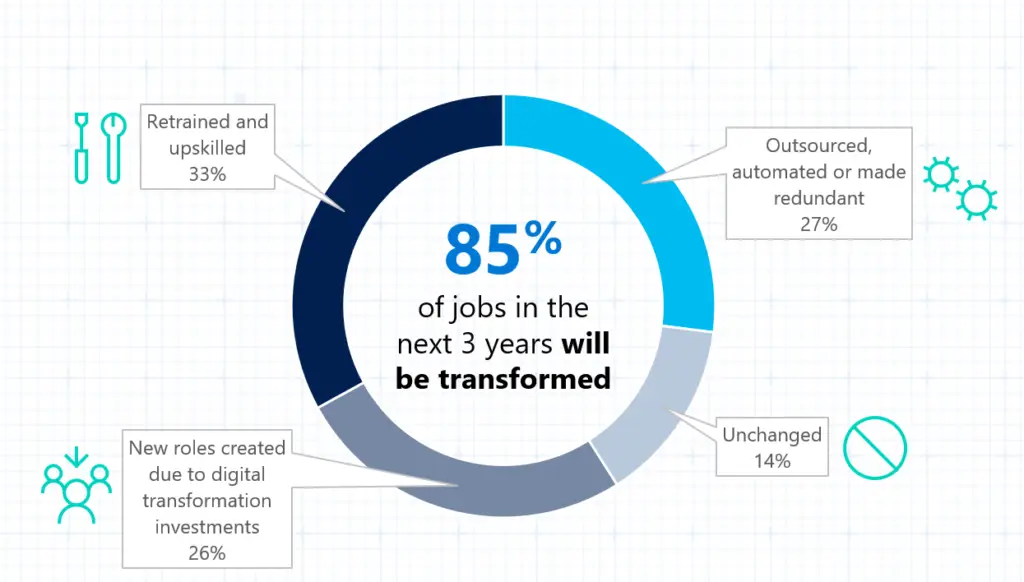
But here’s the tension: while AI drives productivity, it also automates jobs. The Brookings Institution estimates 25% of roles in certain industries are at high risk of automation.
The winners will be those who adapt faster than the market.
The Skills That Will Matter in an AI-Driven Economy
AI automates routine tasks. What’s left for humans is higher-order thinking, creativity, and relationship-building.
The skills that matter in 2025:
AI literacy: Not just coding, understanding how to leverage tools like ChatGPT, MidJourney, and AI agents.
Critical thinking & problem solving: When AI surfaces insights, humans must interpret and act on them.
Creativity & innovation: AI can generate; humans must curate and innovate.
Emotional intelligence: Especially in sales, leadership, and customer-facing roles where trust matters.
Adaptability: Lifelong learning is non-negotiable. The half-life of skills is shrinking fast.
Pro tip: Platforms like Coursera, Udemy, and MIT Open Learning are already curating AI-focused programs for professionals, or you can look for our own curated list of courses.
The New Employer Playbook
Companies need to re-think training and workforce development. Winning organizations will:
Offer on-the-job AI training and continuous upskilling.
Leverage AI-powered analytics for performance without reducing employees to metrics.
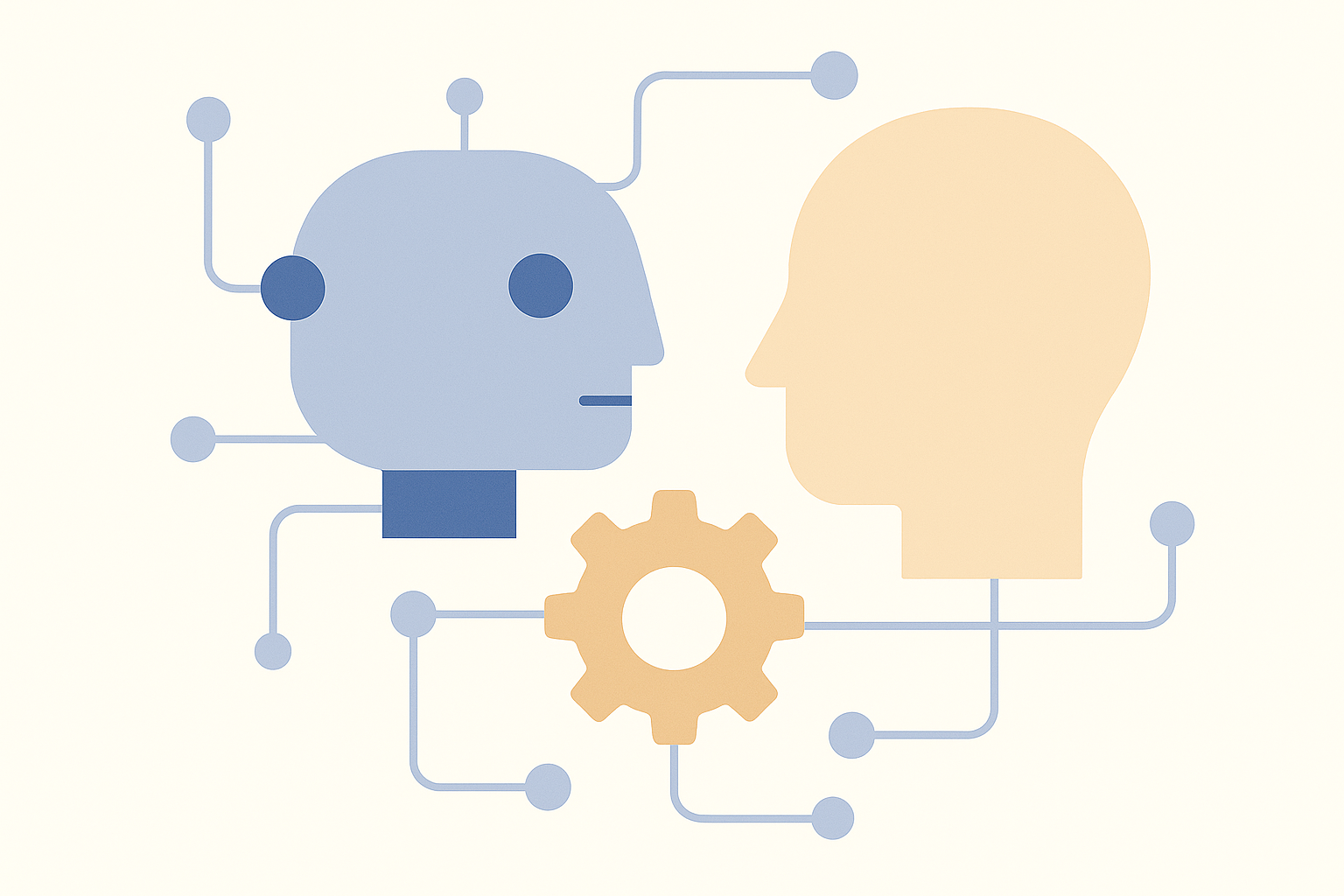
Invest in hybrid human + AI workflows (e.g., pairing AI assistants with sales teams).
Forward-thinking leaders already build AI-first cultures where experimentation is encouraged, and employees see AI as a tool, not a threat.
Ethical and Societal Implications
AI raises hard questions:
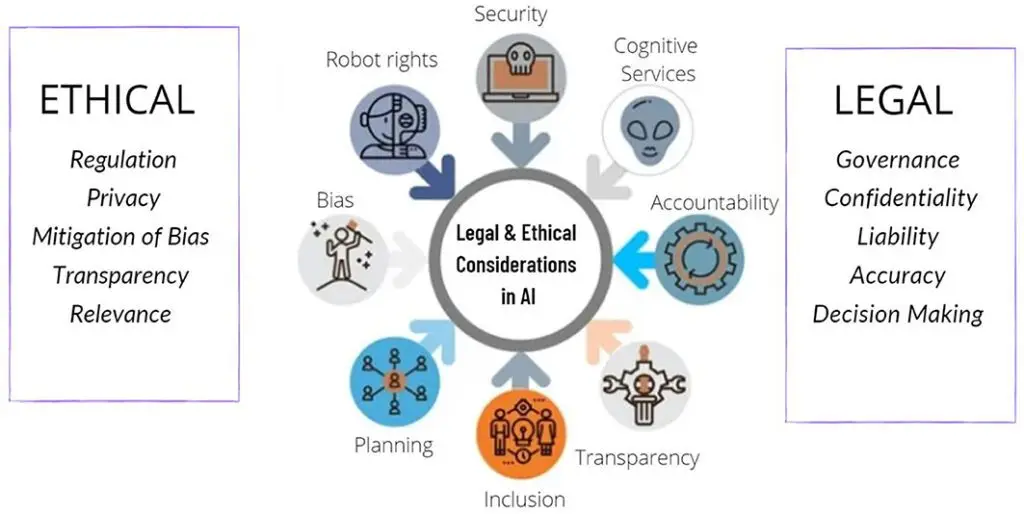
Bias: Recruitment AI often reflects systemic bias if not corrected.
Transparency: Black-box models make accountability tricky.
Privacy: With AI processing vast personal data, risks rise.
Equity: If adoption isn’t inclusive, AI could widen inequality gaps.
Recommended read: Partnership on AI has excellent resources on building responsible AI frameworks.
Leadership in the AI Era
Leaders must shift from “command and control” to adaptive leadership. That means:
Understanding where AI fits into business strategy.
Ensuring AI decisions remain ethical and explainable.
Building collaborative human + AI workflows that scale.
Creating diverse teams that reduce bias in AI development.
Think of it this way: AI won’t replace leaders, but leaders who fail to adopt AI will be replaced.
Future Trends to Watch in 2025
AI + IoT workplaces: Smart offices powered by sensors + AI optimization.
Rise of AI agents: Automated digital workers that handle outreach, scheduling, research, and more.
Ethical AI regulation: Expect more GDPR-style laws around transparency and accountability.
AI in decision-making: From marketing spend allocation to healthcare diagnostics, AI will increasingly guide strategic choices.
Wrapping Up
The future of work in 2025 will be humans who know how to leverage AI vs. those who don’t.
The difference will come down to three things:
Adapting skillsets faster than competitors.
Embracing lifelong learning as part of your career strategy.
Using AI responsibly, balancing productivity with ethics.
AI is here to stay. The question isn’t whether it will change work, it’s how prepared you are to adapt.